




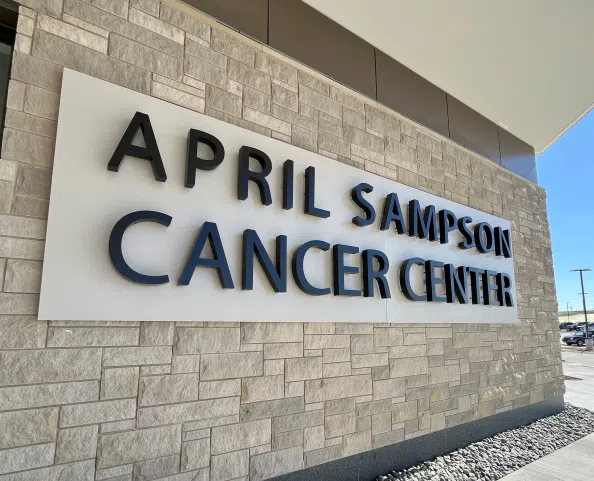
Eligible pancreatic cancer patients can now receive a promising investigational therapy at Lincoln’s April Sampson Cancer Center. Cancer Partners of Nebraska announced Tuesday that it is offering Daraxonrasib through an expanded-access program for adults with previously treated metastatic pancreatic cancer.
“Bringing innovative cancer treatments to our community is a core part of our mission,” said Dr. Nathan Green, a medical oncologist with Cancer Partners of Nebraska. “Patients should not have to leave Nebraska to access some of the most exciting advances in cancer care.”
Daraxonrasib is an oral medication designed to inhibit active RAS proteins, including KRAS mutations that drive most pancreatic cancers. The treatment remains investigational and is not yet an approved standard therapy.
Results released in April by drugmaker Revolution Medicines showed encouraging findings from a randomized Phase Three trial involving patients with previously treated metastatic pancreatic cancer. The company reported median overall survival of 13.2 months among patients receiving daraxonrasib, compared with 6.7 months for those receiving chemotherapy.
The company said the results represented a statistically significant improvement in both overall survival and progression-free survival. Revolution Medicines plans to submit the findings to regulatory authorities, including the U.S. Food and Drug Administration.
Green says some patients who respond to the medication have reported reduced pain, improved appetite and increased energy. “The goal is not only to help patients live longer, but help them live better,” Green said.
Because the medication remains under investigation, access is limited to patients who meet the program’s eligibility requirements. The federal clinical-trial registry describes the program as intended for eligible adults with metastatic pancreatic cancer that has progressed following previous treatment.
“Pancreatic cancer has long been a disease where progress has been difficult to achieve,” Green said. “Seeing this level of clinical activity gives us genuine optimism.”