



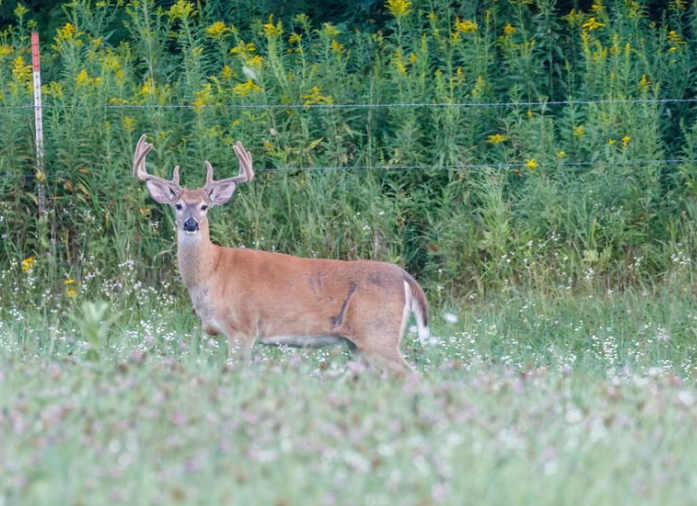
With the fall harvest underway and deer breeding season beginning, Nebraska drivers are being urged to watch for wildlife crossing roadways, especially in rural areas. Greg Wagner with Nebraska Game and Parks tells KLIN News deer are becoming more active as they move during the breeding season, known as the rut.
Combined with farm machinery moving along county roads and other wildlife preparing for winter, the increased activity creates additional hazards for motorists. Wagner recommends slowing down when approaching areas where deer are likely to cross, including roads near rivers, creeks and prominent fence lines.
“Those are travel corridors for deer,” Wagner says. “You approach those, slow down, slow way down, get ready to tap your brakes.” He says drivers should remain alert for deer crossing the road, including bucks chasing does and fawns trying to keep up with their mothers.
If a deer suddenly appears in front of a vehicle, Wagner has this advice. “The big thing is have the nerve not to swerve. You’ve got a deer that pops out right in front of you, you’ll get into trouble when you swerve.”
Wagner says swerving can cause drivers to leave the roadway, strike a roadside object or fence, roll their vehicles or collide with oncoming traffic. Wagner recommends maintaining a firm grip on the steering wheel and braking when possible, even if that means hitting the deer.
He also warns that deer are not the only animals moving around during the fall. Crop harvesting can flush pheasants and other game birds from fields, while raccoons and other fur-bearing animals are increasingly active as they build up fat reserves for winter.
Wagner says motorists should be especially cautious during low-light conditions and at night, particularly along roads that cross wildlife travel corridors. Motorcyclists should take extra precautions as well, slowing down and using their peripheral vision to watch for deer that may suddenly enter the roadway, even during daylight hours.