




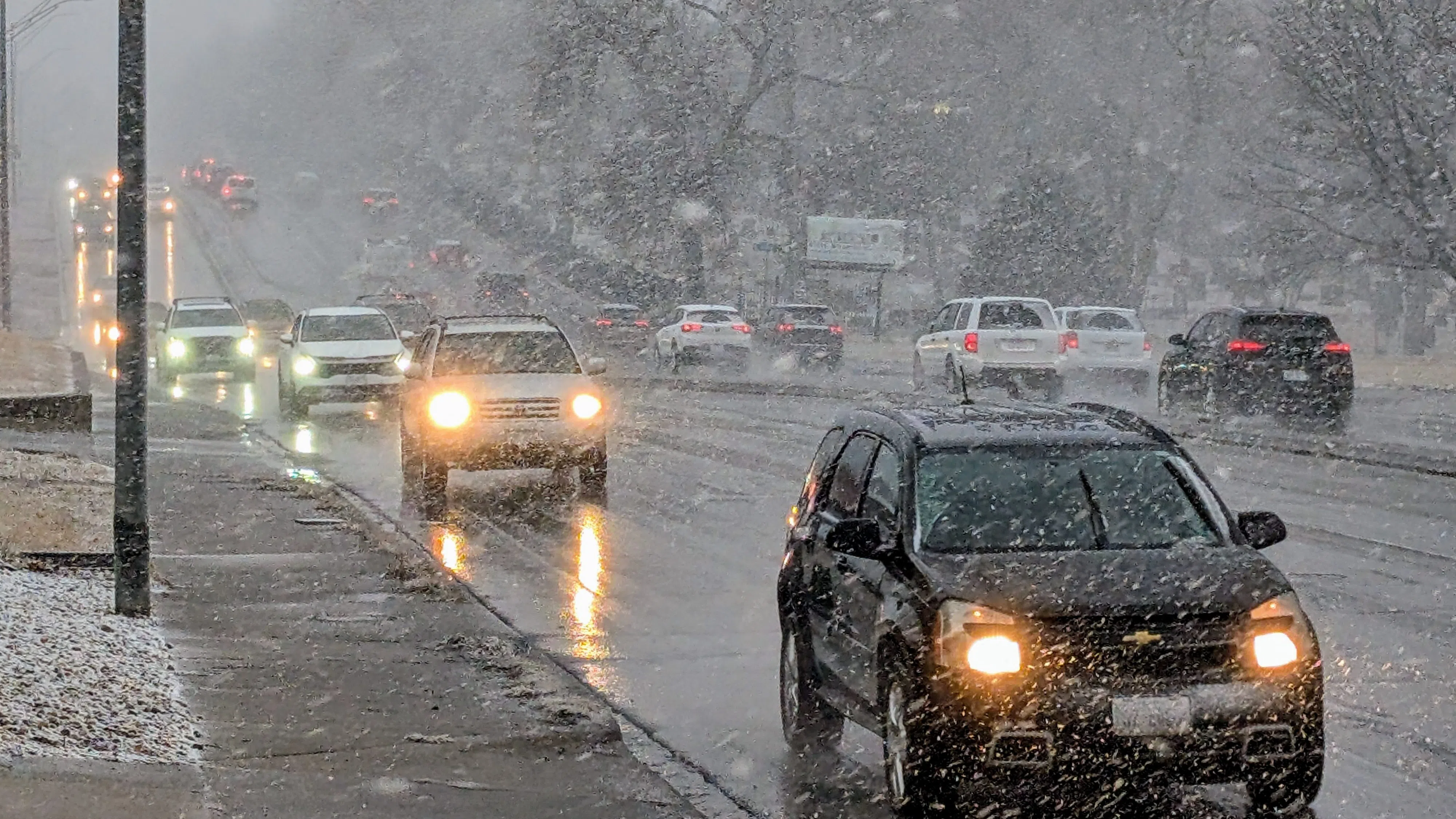
Nebraska may be heading toward a generally warmer and wetter winter, but retired University of Nebraska-Lincoln climatologist Dr. Ken Dewey says that does not rule out snow, ice or brief bursts of bitter cold.
Appearing Tuesday on KLIN’s “Drive Time Lincoln,” Dewey said the developing El Niño could repeatedly push the core of the coldest air north into Canada during the coming winter. He expects the warmer pattern to be interrupted by shorter Arctic outbreaks.
“So warmer, wetter, maybe some rain in the middle of winter, and some snows that’ll be slushy and can freeze with an Arctic outbreak as the cold air plunges down here for a couple days, and then the warm air takes over again,” Dewey says.
El Niño is the warm phase of a recurring climate pattern involving ocean temperatures and atmospheric conditions in the tropical Pacific. The National Oceanic and Atmospheric Administration says El Niño conditions are present and are expected to strengthen into the Northern Hemisphere winter.
El Niño changes the odds of certain seasonal weather patterns, but it does not determine the outcome of individual storms or guarantee that every part of the country will experience the typical effects. Dewey says Lincoln has recorded several consecutive winters with comparatively modest snowfall. He cited seasonal totals of 13.7 inches last winter, preceded by totals of 12.3, 16.4, 14.3 and 5.1 inches.
He believes the increased moisture available this winter could produce somewhat more snow than Lincoln has received during the last several seasons. “We’ll still have snowfall this coming winter, probably a little more than the last few years because it’ll be a wetter winter,” Dewey said. “There’s more moisture expected this winter.”
Dewey said the nature of the precipitation could be more important than the total accumulation. Temperatures hovering near the freezing mark can produce rain, freezing rain or heavy, wet snow instead of the drier powder associated with sustained Arctic cold. A sudden temperature plunge following wet or slushy precipitation could leave roads and sidewalks coated with ice.
A warmer winter could also pose agricultural concerns in western Nebraska, where drought conditions have persisted and producers need moisture for winter wheat. “This is not good news for farmers and ranchers, especially out west as they plant the winter wheat,” Dewey says. “They would really like to go into the fall with moisture in the soil, and it’s missing.”
Dewey characterized his winter assessment as an early outlook. More specific temperature, precipitation and snowfall forecasts will become available as the season approaches.